Education | Environment | News
Hummingbird Research in Idaho
Researching Hummingbirds
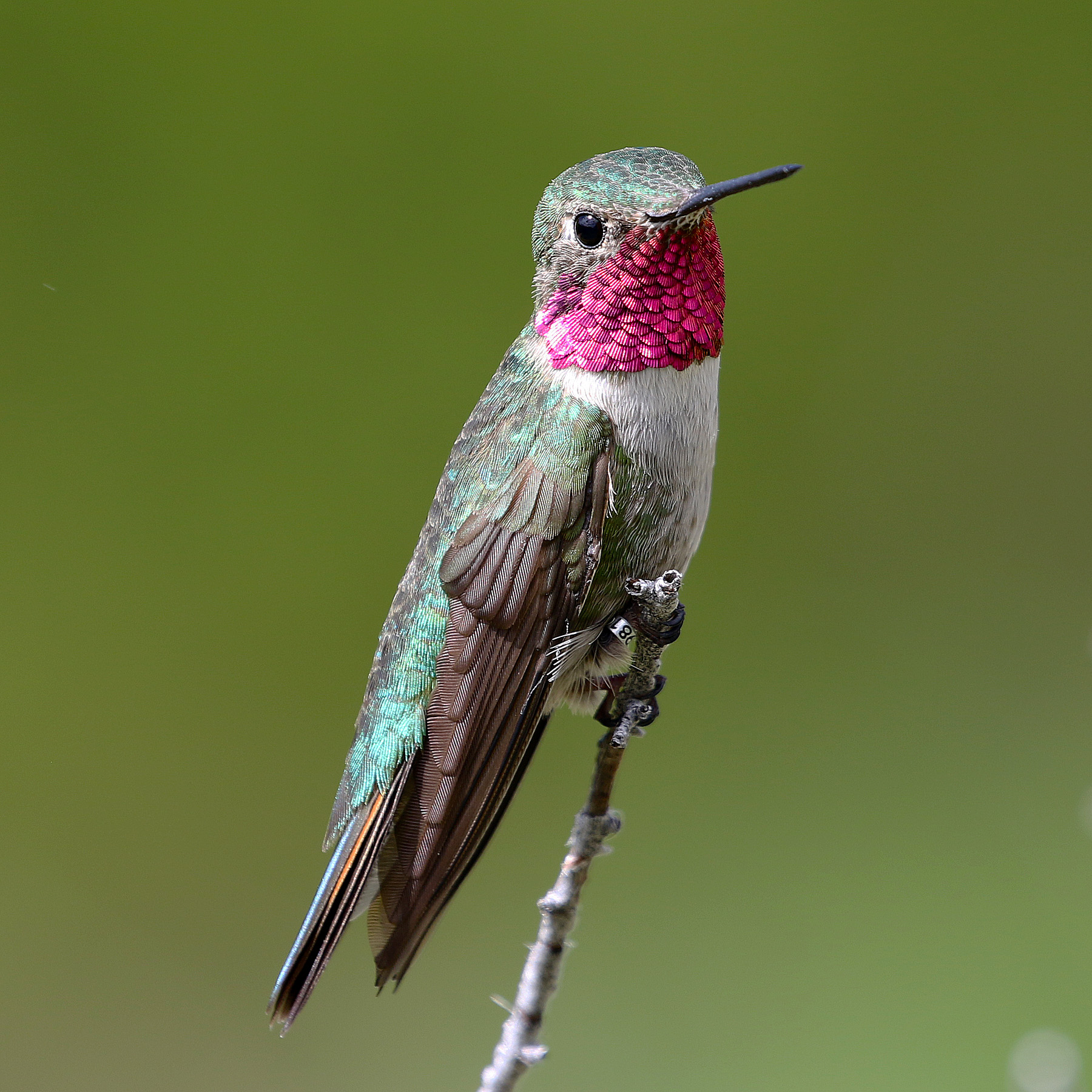
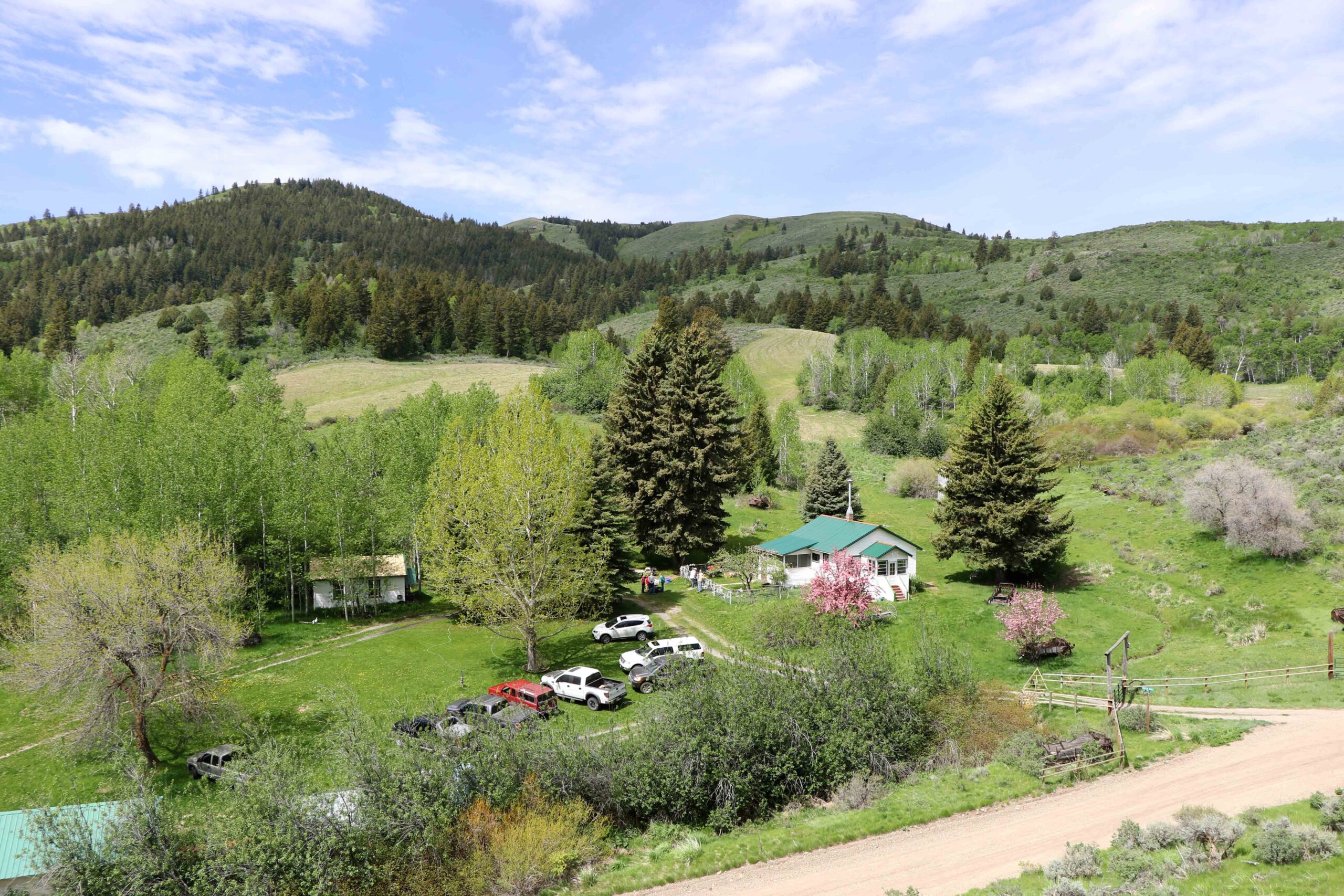
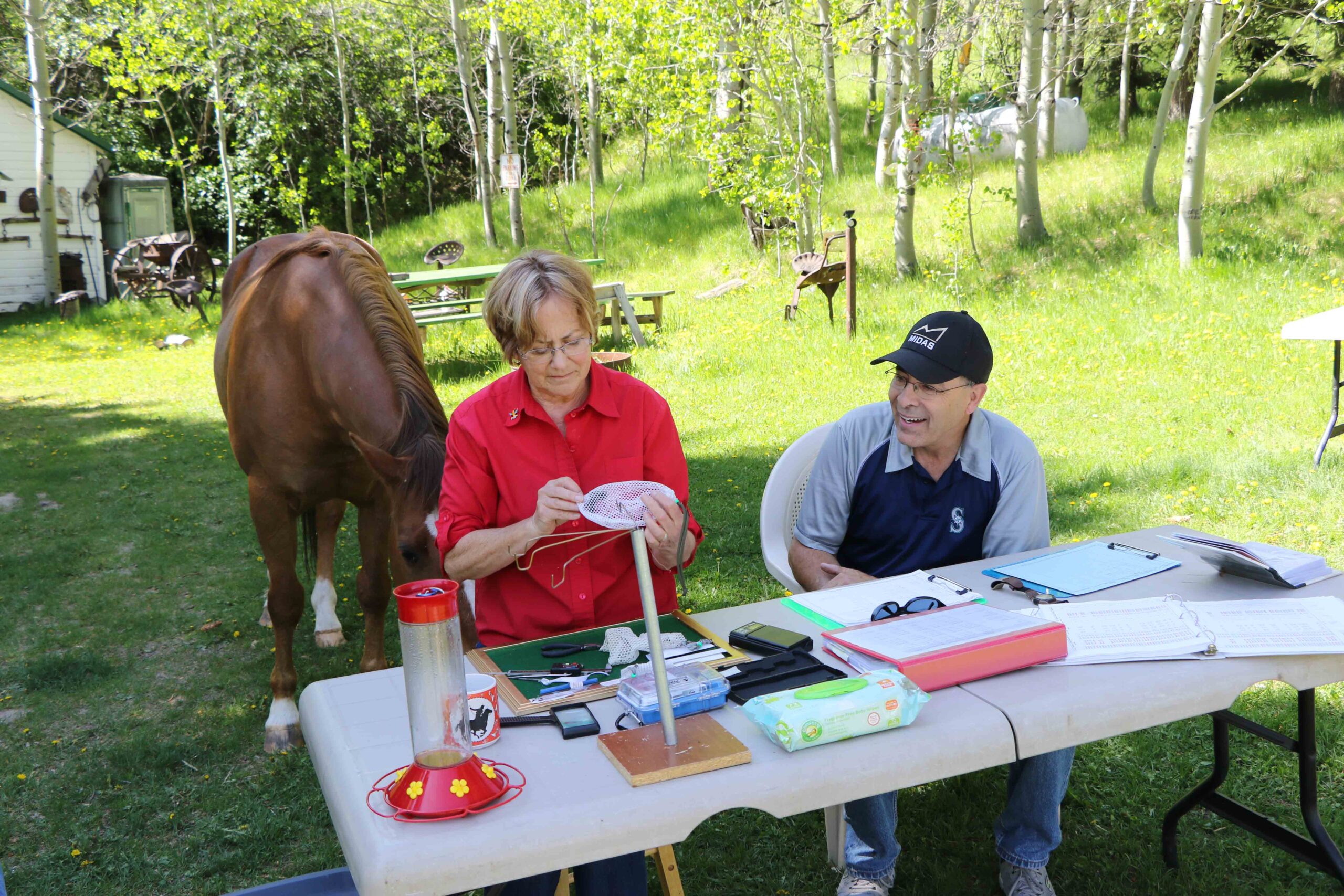
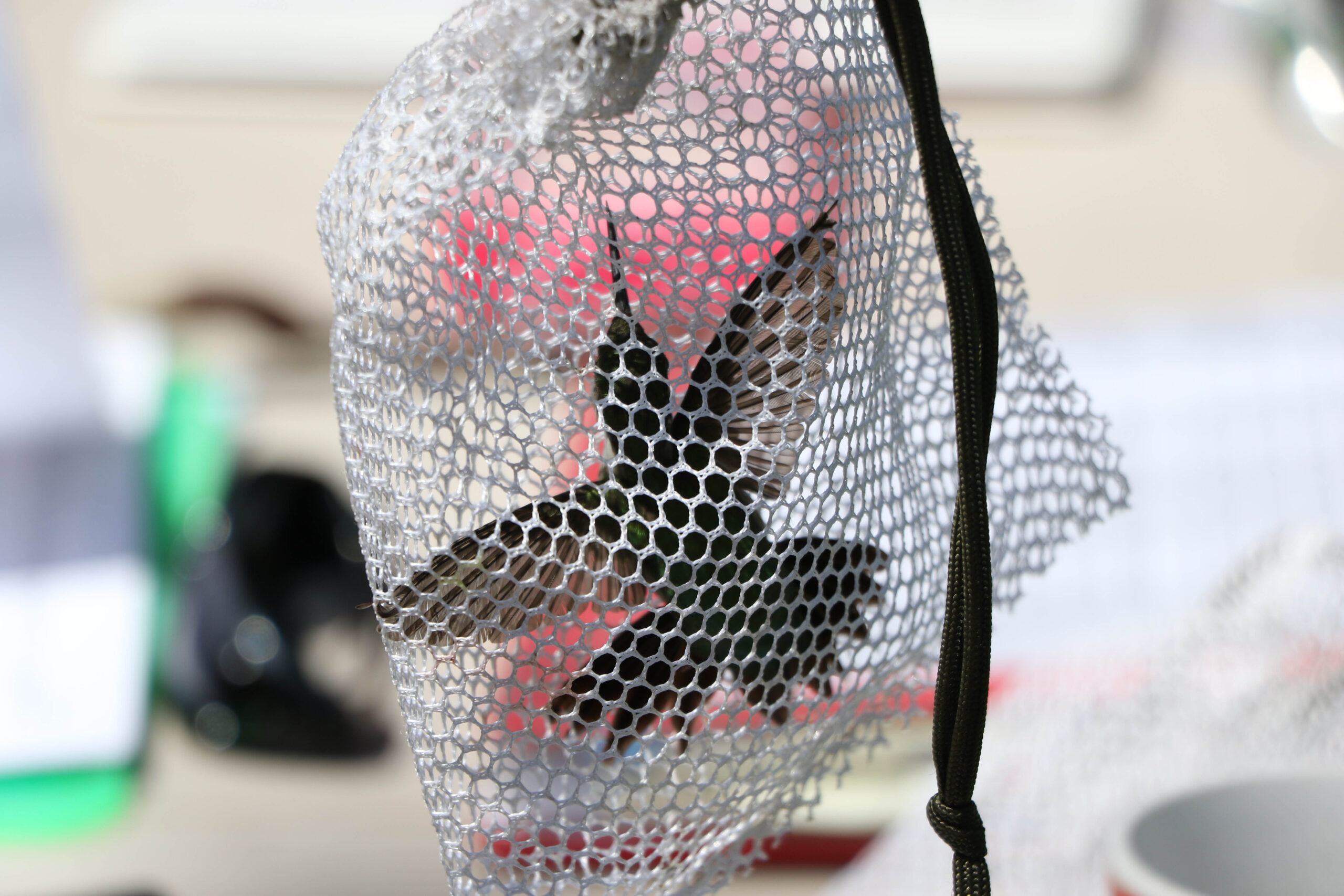
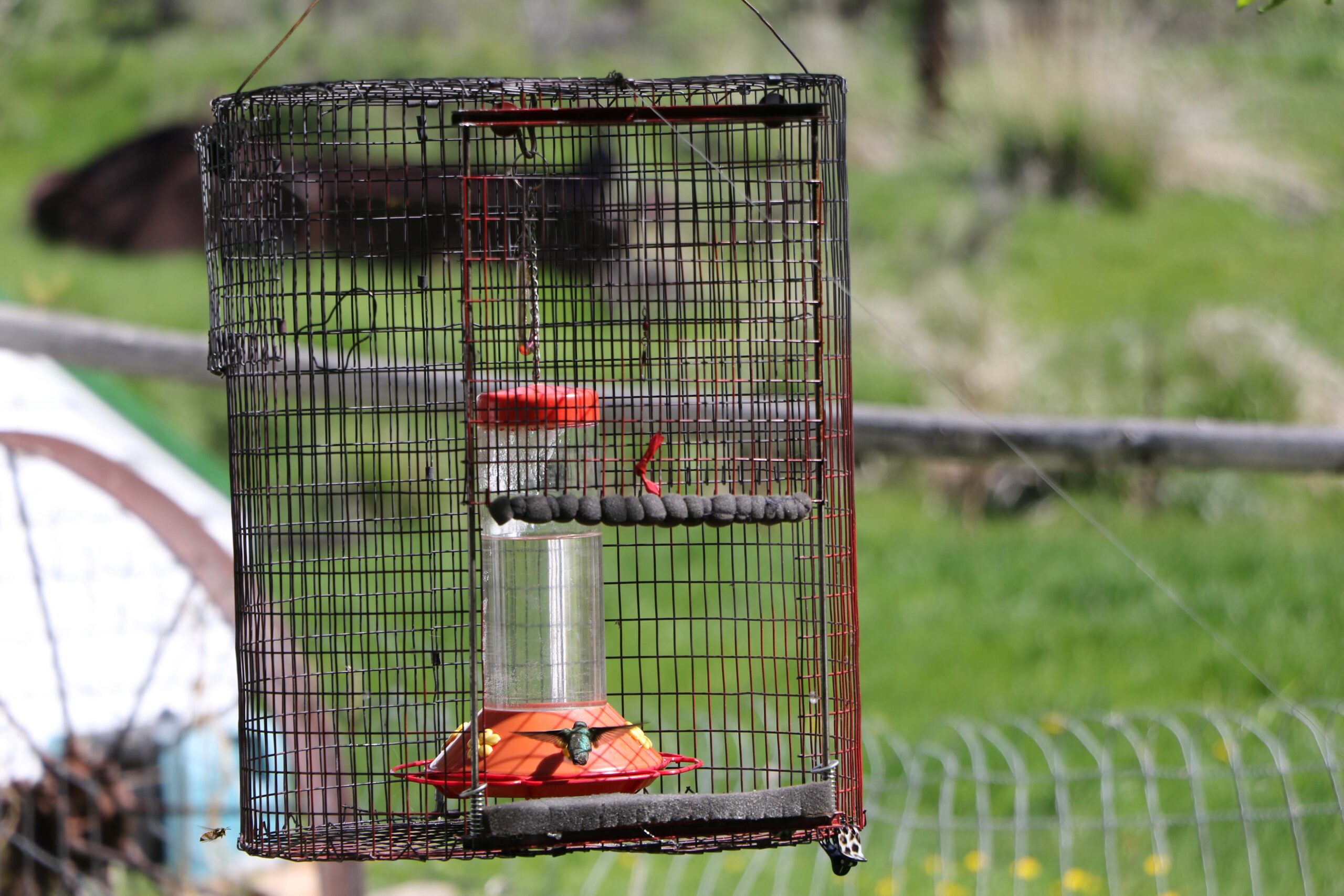
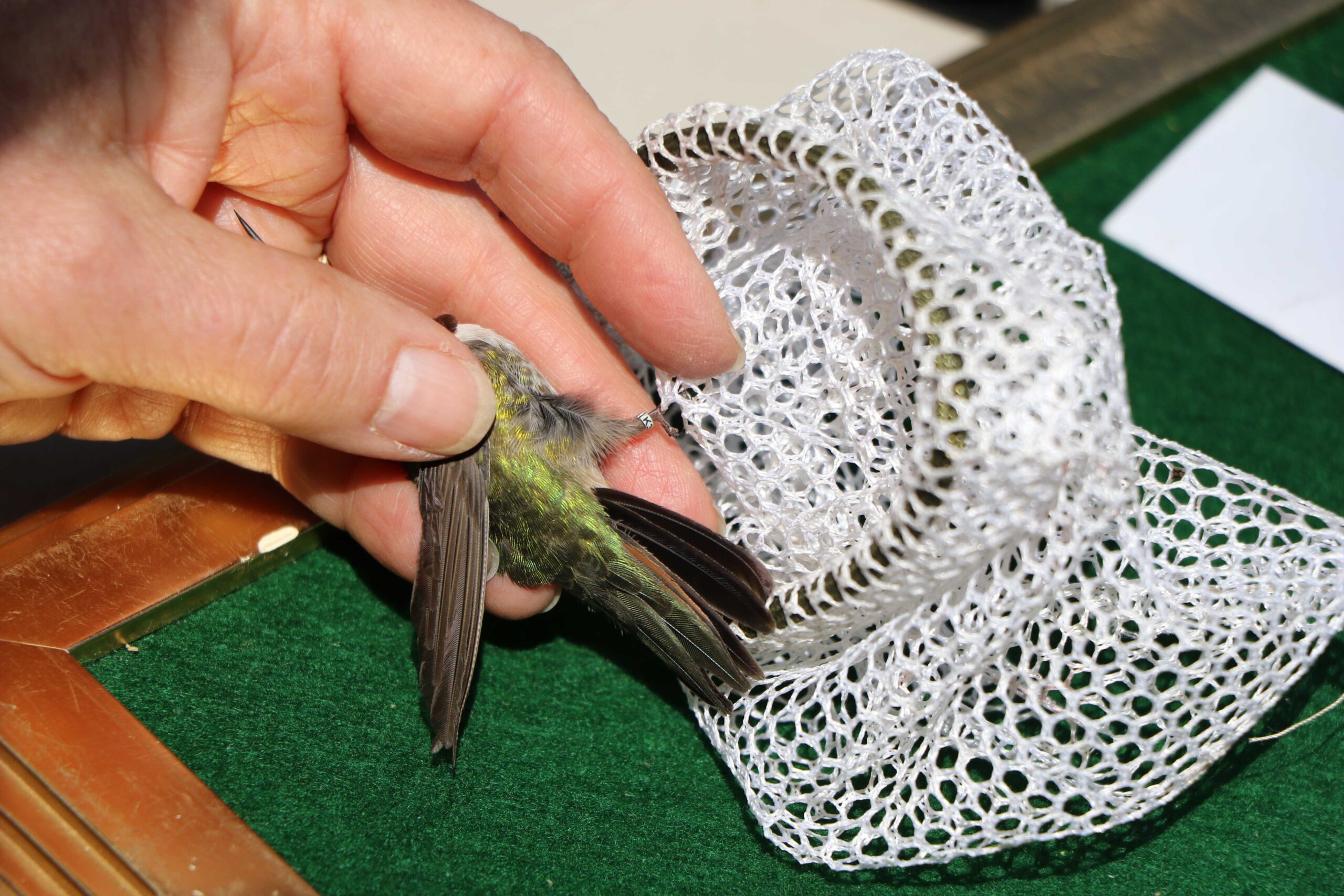
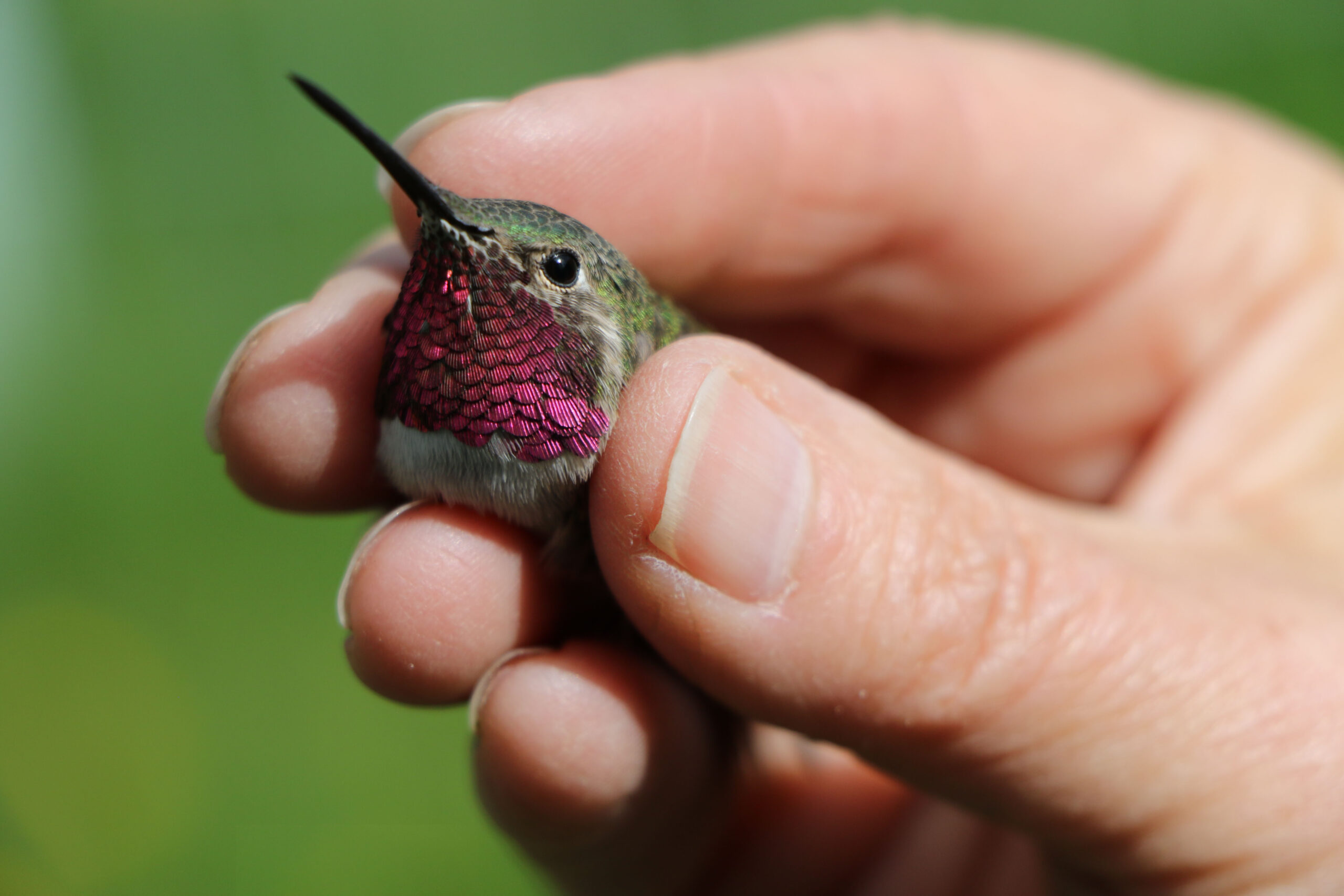
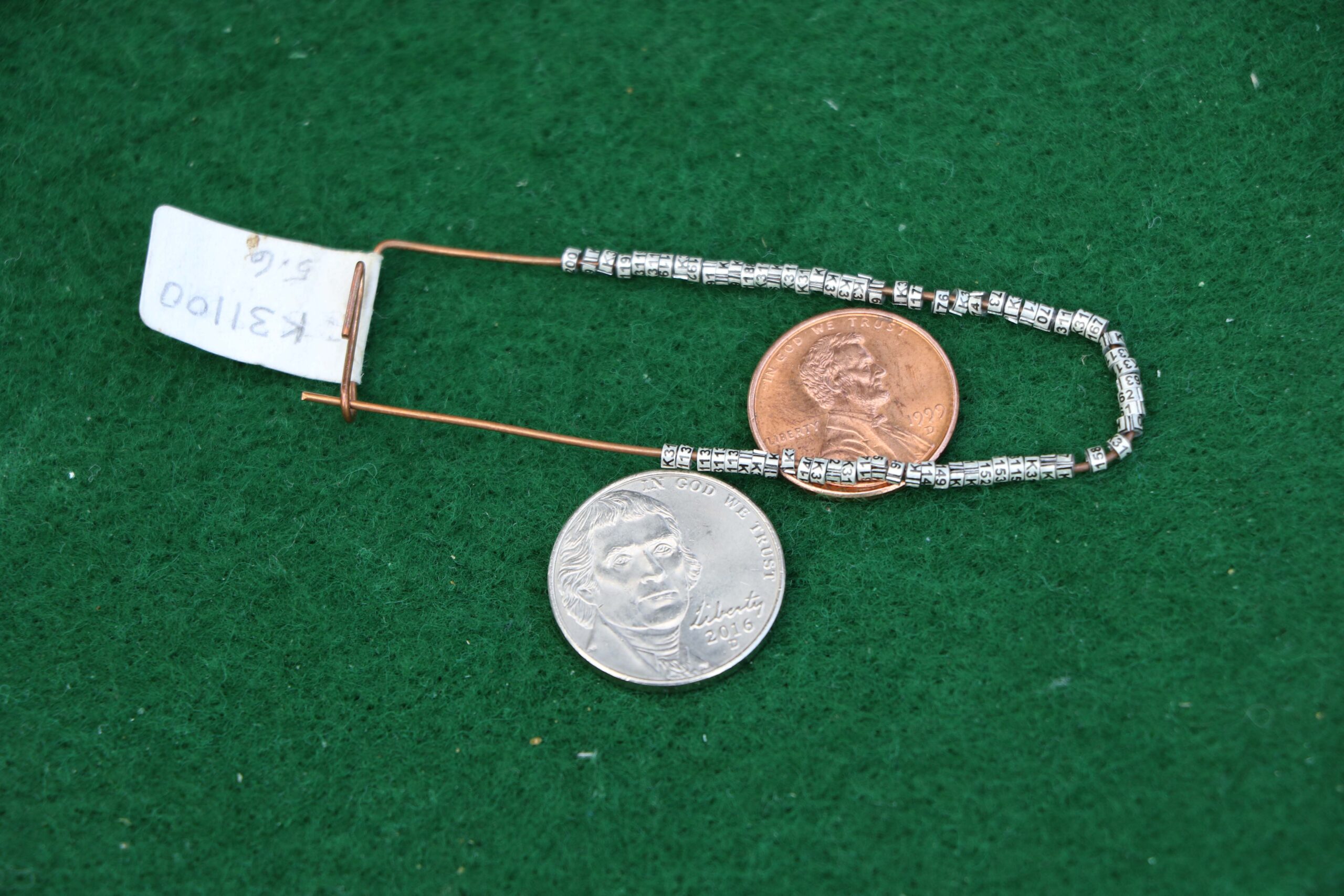
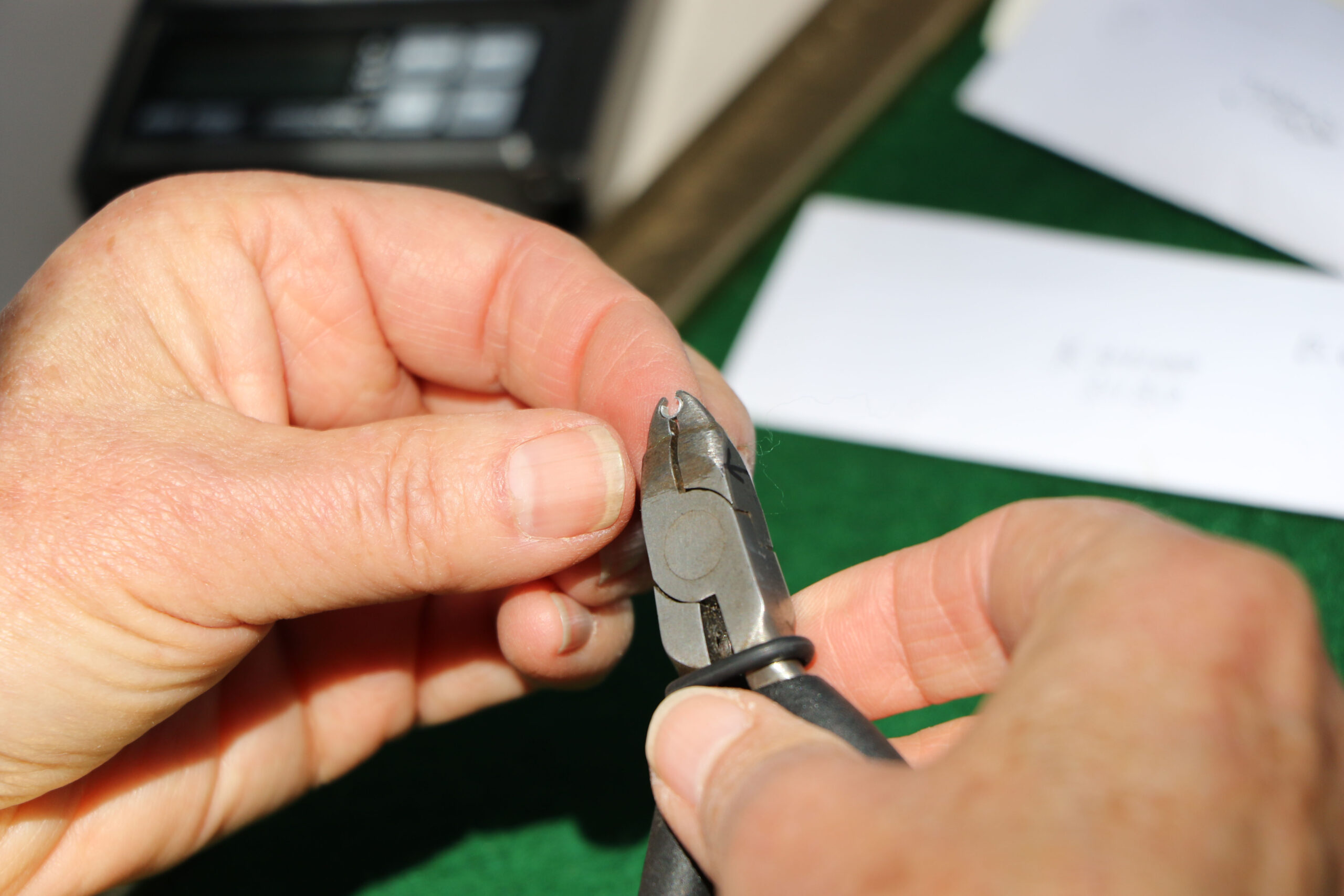
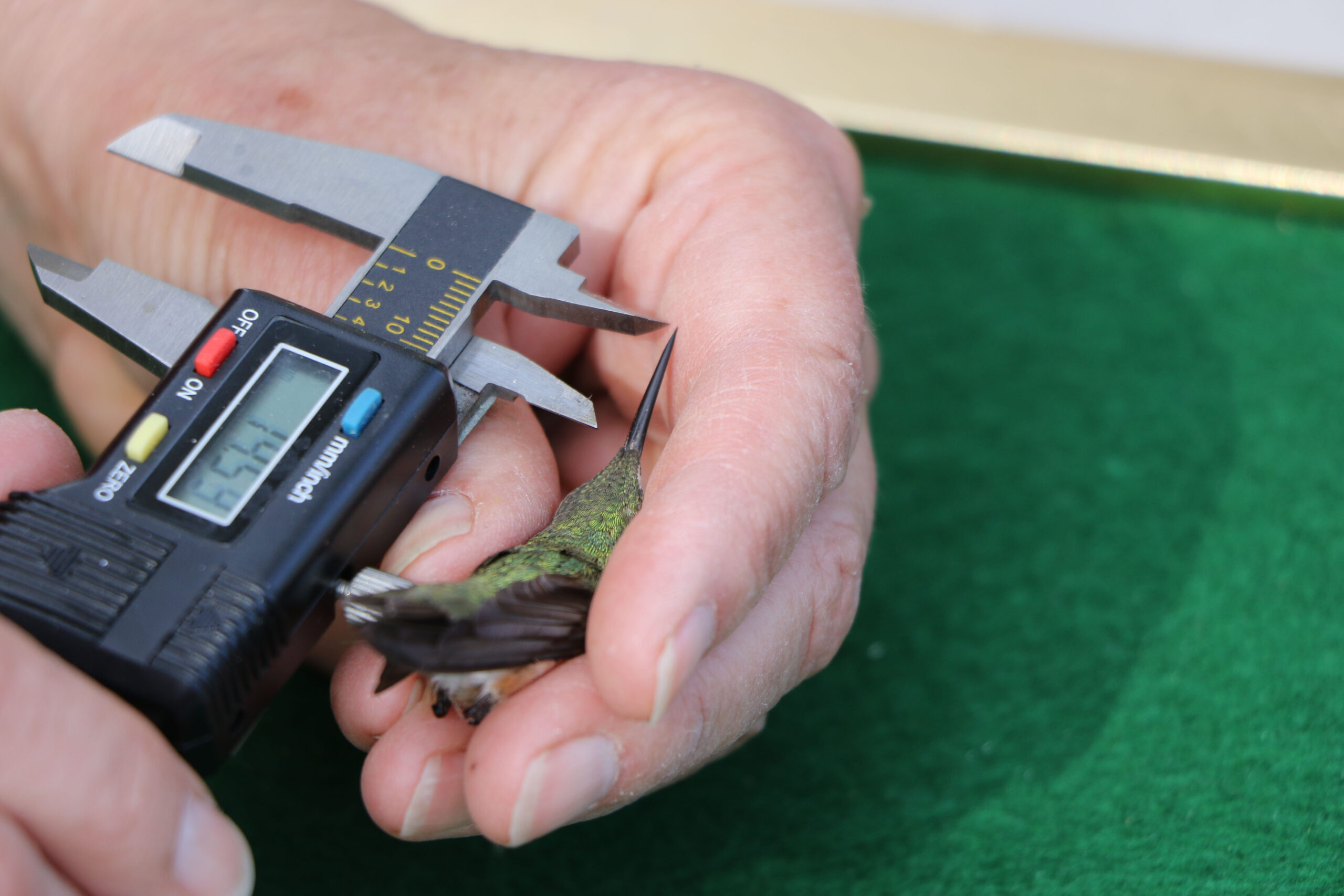
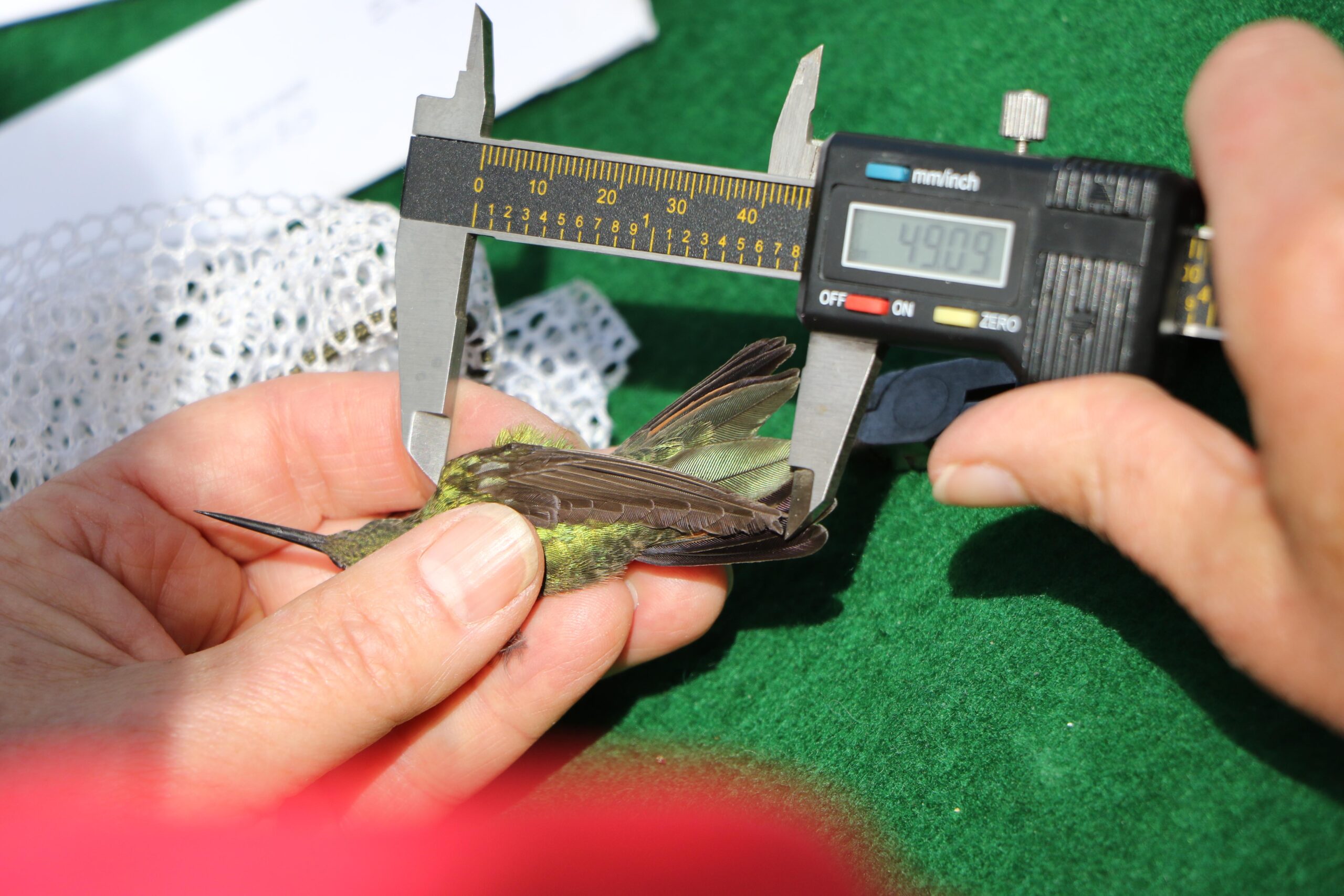
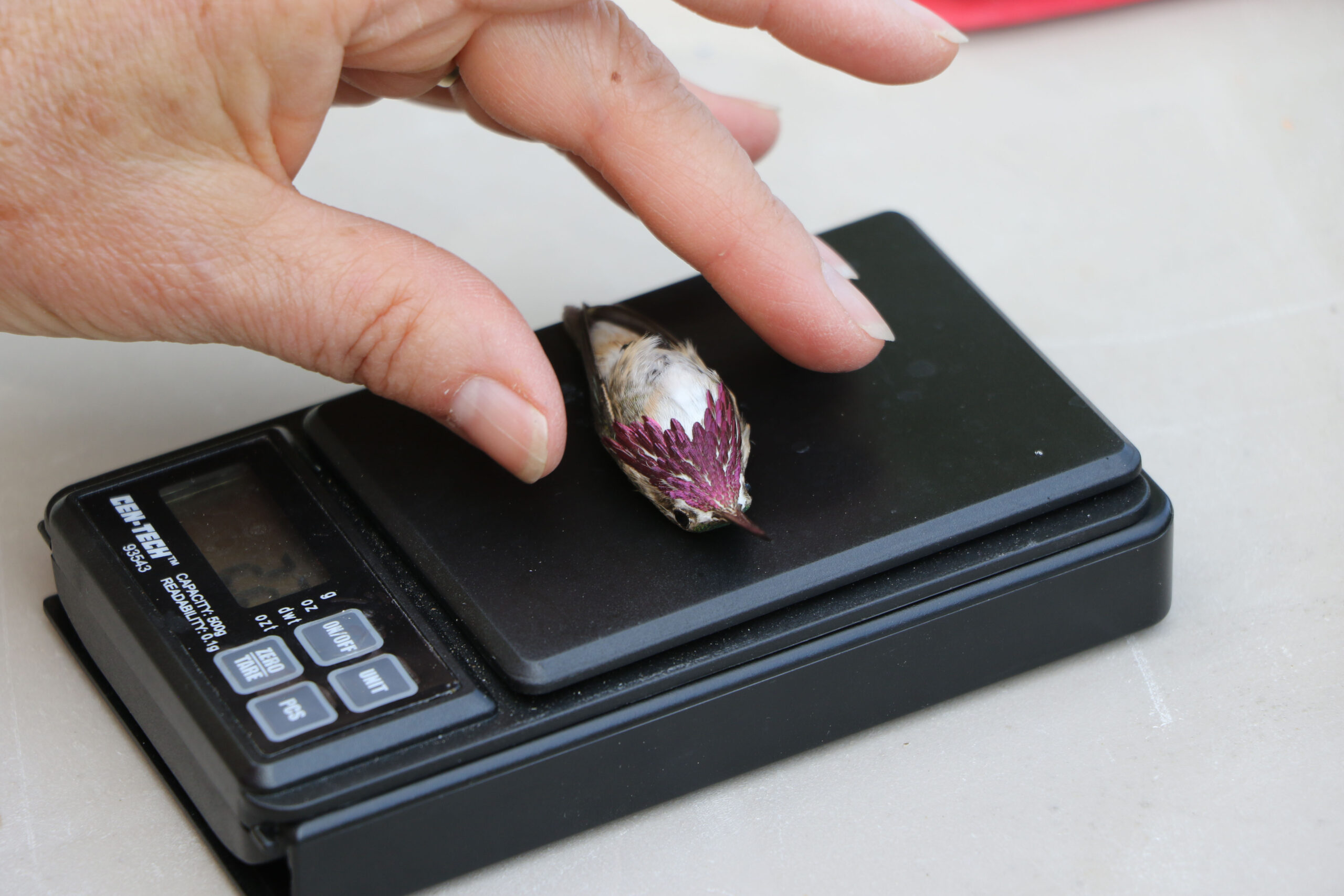
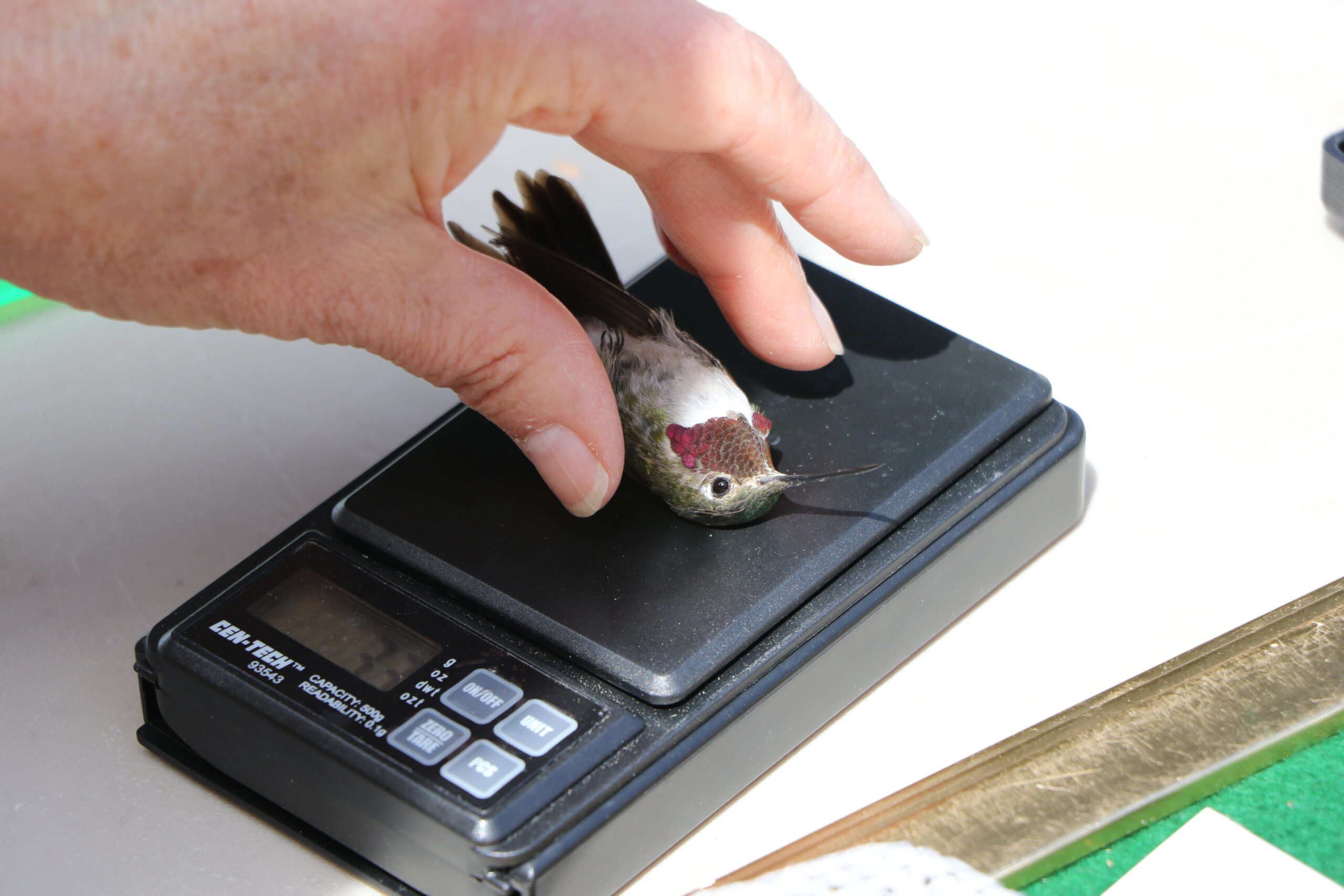
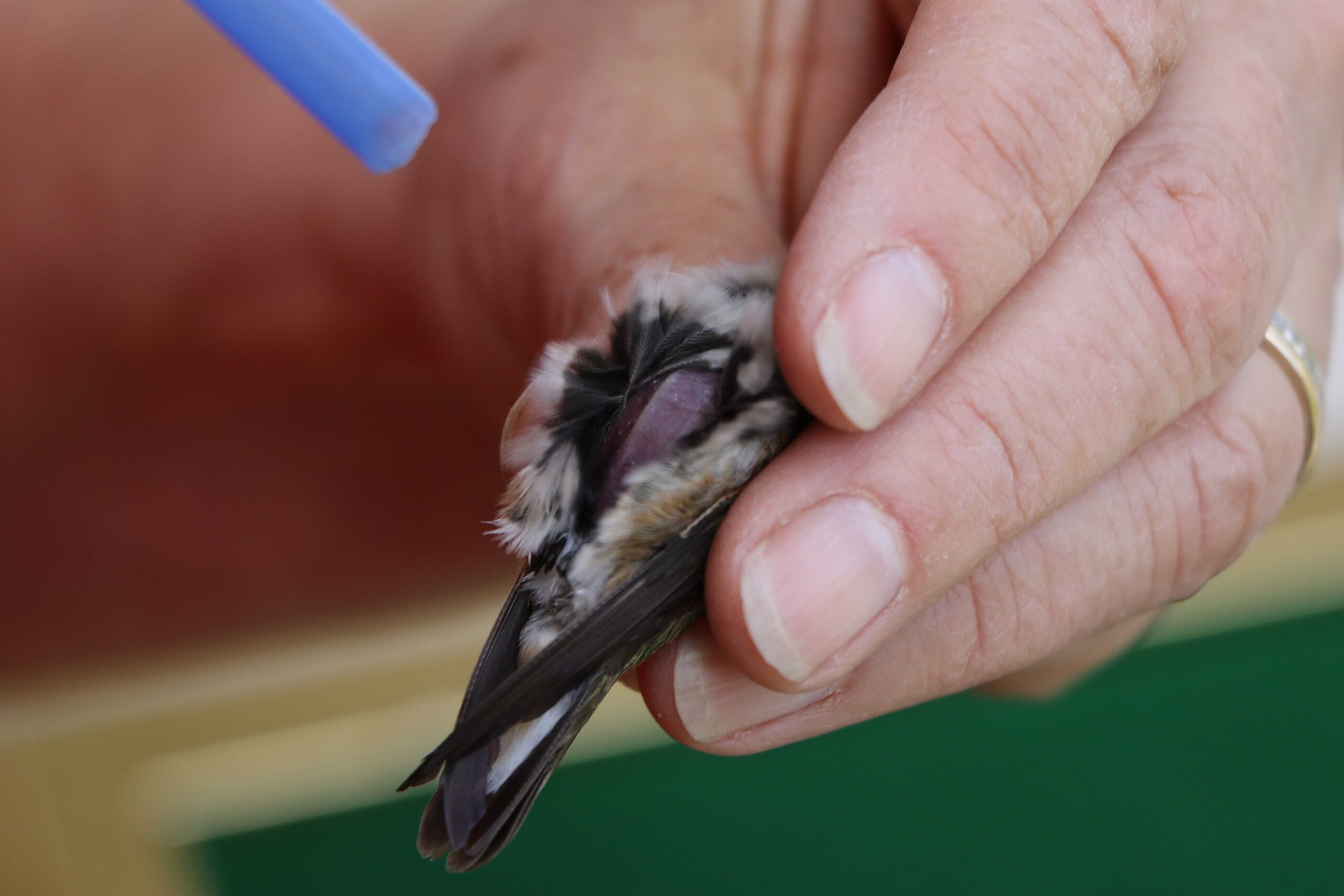
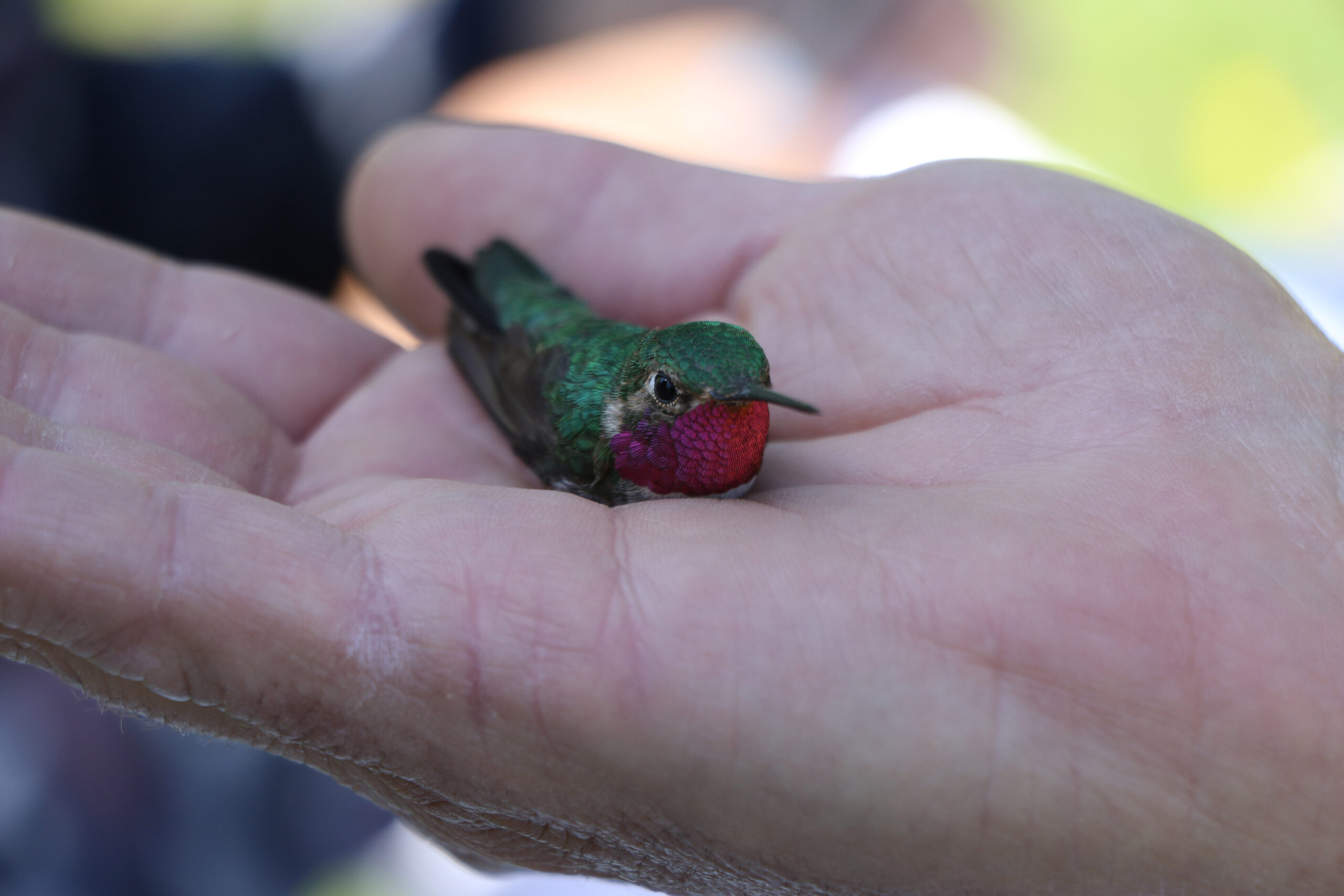
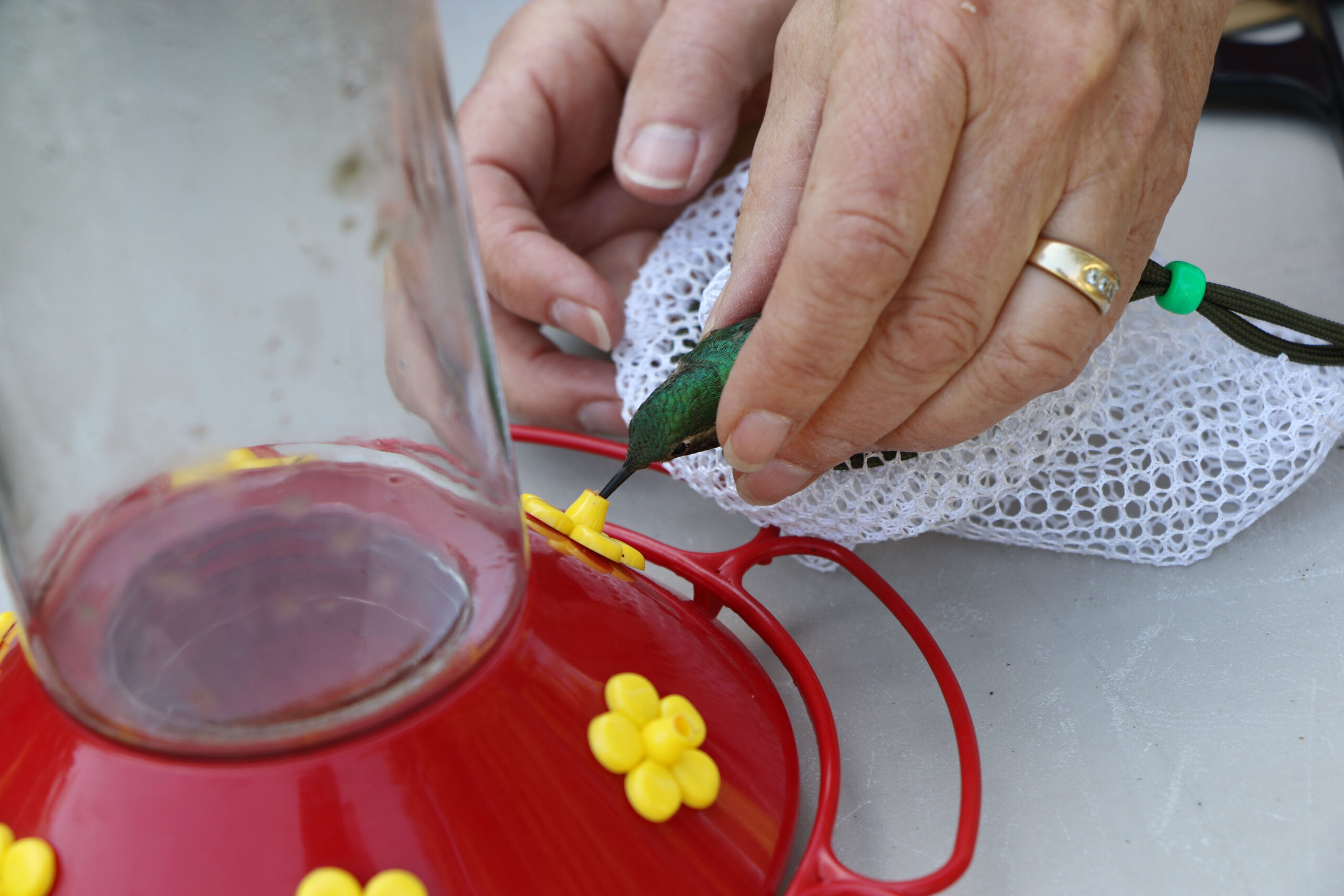
This is the fourth installment of our special hummingbird series with in-house hummingbird expert Ken Assmus. If you want to see more stunning photos or learn other fun facts about these beautiful birds, scroll through our recent blog posts. As an avid bird photographer, last year I was thrilled when I had the opportunity to document a hummingbird research roundup in Southeast Idaho. These licensed professionals have carefully banded hummingbirds in this area for close to 15 years so they can research their biology, migration routes, lifespan, breeding success, year to year population changes and hummingbird distribution in Southern Idaho. The banding process takes place on a private ranch. This location is ideal because hummingbirds breed and nest in the thickets surrounding the ranch. Part of the reason they are drawn to this location is the abundance of water. There are plenty of small creeks, streams and wetlands for the birds to enjoy. In order to band the hummingbirds, they must be temporarily captured. The licensed banders do this using cages with hummingbird feeders inside. Once a hummingbird starts to drink from the feeder, the door to the cage closes, allowing researchers to get to work. It takes a very gentle hand to work with these tiny little birds. The hummingbird handlers carefully catch the hummingbird in the cage by hand and place it in a small nylon knit bag. The bag is hung so nothing can be placed on top of the hummingbird accidentally until researchers start the banding and measurement process. The licensed bander looks at the hummingbird in the bag to identify its species – Calliope, Rufous, Black-Chinned or Broad-tailed. There are three sizes of bands. The Calliope gets the smallest band, Broad-tailed hummingbirds get the largest and the rest get the medium-sized bands. The bands are handmade out of thin aluminum sheets. Each band is incredibly light and shaped to fit each individual bird so it doesn’t bother them. In fact, it would take 5,000 bands to equal one ounce. To put that into perspective, one ounce is approximately the same weight of 11 pennies. After hummingbirds are banded, their beaks, wing and tail feathers are measured. This is done to help identify their age. Sometimes, the banders also take a short plastic blue straw and blow air on the breast of the hummingbird. The hummingbird has so few feathers on their chest and their skin is so thin and transparent that the bander can see the development of an egg if the female is ready to lay and they also check for fat storage after their long migration from Mexico. None of the hummingbirds we checked had any fat storage or development of eggs last year in early May. The final step for research is to weigh the hummingbird. Banders place the hummingbird on its back on the scale, and the hummingbird just lays there. It is incredible to see that the birds don’t fly away. After all the measurements are gathered and recorded, the hummingbird is given a drink at the feeder. All the birds I watched took a long drink. The banders then let the hummingbirds hang out in the palm of their hand until they are ready to fly away with their new band. In all, it takes about 5 minutes for the banding and measurement process to take place. The work these licensed banders are doing is drastically improving our understanding of hummingbirds in Southeast Idaho.